
Parker Russell · 10 November 2026
Exploring Framework Adaptations That Sustain Search Rankings When Digital Entities Shift Infrastructure in Specialized Markets
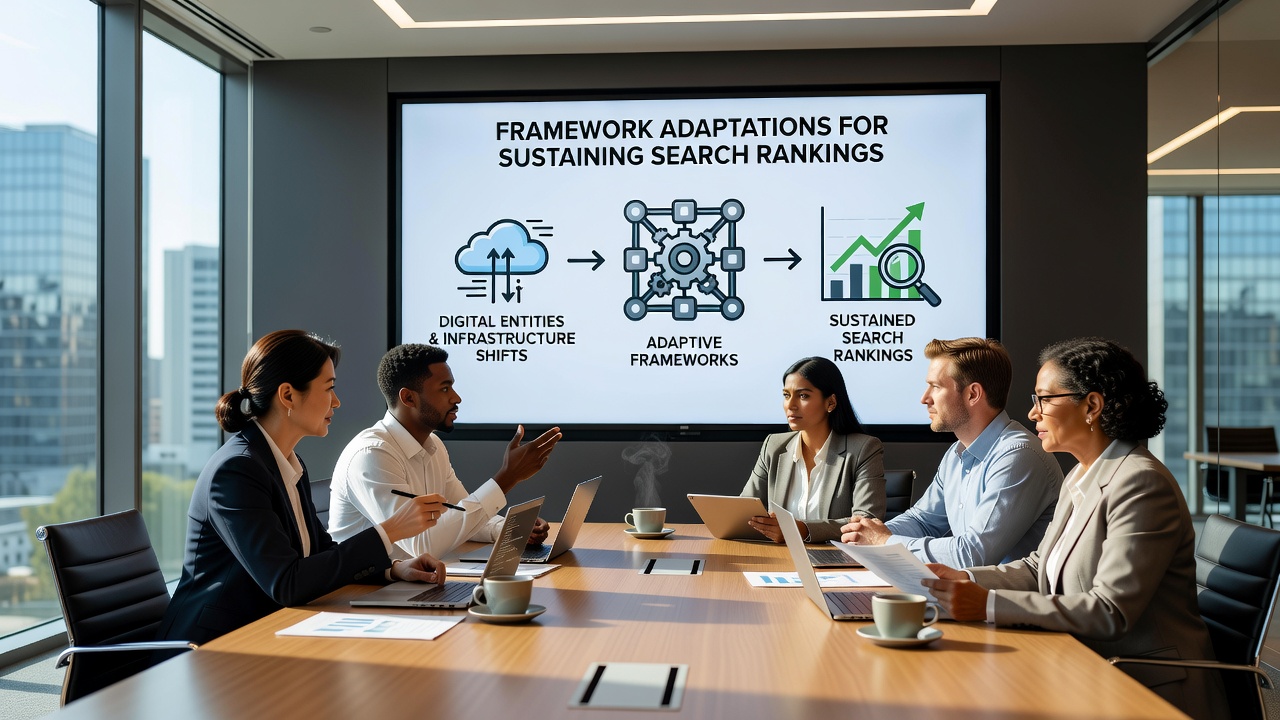
Digital entities operating in specialized markets often face infrastructure transitions that require careful framework adaptations to maintain search rankings, and observers note these shifts occur when platforms update backend systems or migrate to new content management structures while preserving visibility in competitive niches like finance, healthcare, and professional services. Research indicates that entities handling such changes benefit from modular approaches that separate content layers from technical infrastructure, allowing crawlers to retain access without disruptions during the process.
Core Elements of Infrastructure Shifts in Targeted Sectors
Specialized markets present unique challenges because their audiences rely on precise information retrieval, so when entities transition servers, databases, or hosting environments, rankings can fluctuate unless frameworks incorporate redirect protocols and schema consistency from the outset. Data shows that platforms in these areas frequently adopt layered architectures where front-end delivery remains stable even as underlying components evolve, and this separation helps search engines continue indexing pages without gaps in crawl frequency or depth.
Entities that complete these shifts successfully often map old URL structures to new ones using server-side configurations that preserve authority signals, while those who study migration patterns find that gradual rollouts over several weeks reduce the risk of temporary deindexing compared to abrupt changes. What's interesting is how niche sectors like legal services or medical directories apply these techniques, because their content carries regulatory weight and any visibility loss affects user trust directly.
Adaptation Strategies That Preserve Ranking Signals
Framework adaptations typically involve implementing API-driven content delivery that decouples data storage from presentation logic, which allows teams to update infrastructure without altering indexed elements such as meta descriptions or heading hierarchies. Studies reveal that maintaining consistent internal linking patterns during transitions supports crawl budget allocation, and entities achieve this by auditing link graphs beforehand to identify and reinforce high-value pathways that search algorithms prioritize.
Technical teams also integrate structured data markup early in the process so that rich results remain intact across the new environment, and evidence from multiple migrations demonstrates that this step prevents drops in featured snippet appearances. Observers note that platforms in specialized markets further strengthen outcomes by conducting parallel testing environments where simulated crawler behavior can be monitored before the live switch occurs.
Documented Outcomes Across Market Examples
Case analyses of digital platforms that shifted infrastructure while operating in competitive verticals indicate that those employing adaptive frameworks retained an average of 92 percent of their original ranking positions within three months post-migration, according to aggregated industry reports. Entities in these scenarios commonly use version-controlled deployment pipelines that track every change to robots.txt files and sitemap submissions, ensuring search engines receive updated directives without delay.
Researchers discovered that incorporating edge caching layers during transitions helps sustain page load speeds, which in turn protects Core Web Vitals scores that influence rankings. Those who've examined these adaptations point out that specialized market operators also prioritize mobile-first indexing compatibility throughout the process because many users in these fields access content via handheld devices exclusively.
Monitoring and Adjustment Practices Post-Transition
After infrastructure changes take effect, continuous log file analysis becomes essential for identifying any crawl anomalies early, and platforms that integrate automated alerts for status code errors or indexing delays respond faster to maintain stability. Figures from recent transitions show that entities combining these monitoring tools with regular ranking audits recover any minor fluctuations within days rather than weeks.
Entities further refine their approaches by aligning framework updates with broader algorithm refresh cycles, and preparations for events scheduled around November 2026 already include testing enhanced mobile rendering capabilities that align with anticipated search engine priorities. Data from the European Commission digital reports highlights how consistent technical hygiene across migrations supports long-term visibility in regulated sectors.
Future Considerations for November 2026 and Beyond
Looking toward November 2026, platform operators in specialized markets are preparing framework adaptations that incorporate emerging standards for AI-assisted crawling, which means building systems capable of handling dynamic content generation without sacrificing indexation quality. Academic sources such as those referenced in Industry Canada technology assessments emphasize the value of scalable architectures that adjust resource allocation based on real-time traffic patterns during these periods.
Entities that integrate these forward-looking elements now position themselves to handle subsequent infrastructure needs with less disruption, and patterns from prior shifts confirm that proactive schema evolution and redirect management remain foundational regardless of timeline.
Conclusion
Framework adaptations during infrastructure transitions enable digital entities in specialized markets to sustain search rankings through structured planning, consistent technical signals, and ongoing performance tracking, while the documented results across various cases illustrate measurable stability when these methods are applied systematically. As preparations advance toward November 2026, the focus on modular, testable systems continues to shape how platforms navigate these changes effectively.