
Vera Franke · 15 September 2026
Navigating Algorithm Shifts Through Specialized Platform Adaptations in Evolving Search Landscapes
Search engines update their ranking systems on a regular basis and these changes require websites along with other digital platforms to modify their technical structures and content strategies in precise ways, while researchers track how core updates affect visibility across different regions and device types. Data from multiple industry reports shows that major algorithm adjustments often occur several times each year and specialists respond by refining crawl directives, schema implementations, and user experience signals that align with the latest evaluation criteria.
Core Mechanisms Behind Recent Algorithm Adjustments
Search engines evaluate content quality, relevance, and technical performance through layered signals that include page speed metrics, mobile responsiveness, and structured data accuracy; observers note that when these signals shift emphasis, platforms must adapt their back-end architectures to maintain indexing efficiency and ranking stability. Studies conducted by academic institutions reveal that updates frequently incorporate new machine learning models which assess user engagement patterns over extended periods rather than isolated sessions, and organizations that monitor these patterns adjust their analytics frameworks accordingly.
Platform operators in various sectors have documented how algorithm refinements impact crawl budgets and indexing priorities, particularly for large sites with dynamic content; one research paper from a Canadian university examined how adjustments to freshness signals altered visibility for news and e-commerce domains in 2025, leading teams to implement automated content refresh protocols that synchronize with search engine expectations.
Specialized Adaptations Across Different Search Environments
Organizations develop targeted responses that address both general web search and emerging verticals such as voice interfaces, image-based discovery, and AI-generated summaries; these adaptations often involve modular code updates that allow rapid testing of new metadata formats and internal linking structures. Figures from the European Commission on digital market regulations indicate that compliance with transparency requirements has prompted platforms to publish clearer documentation about how they handle algorithmic changes, which in turn helps smaller operators plan their own modifications without extensive trial and error.
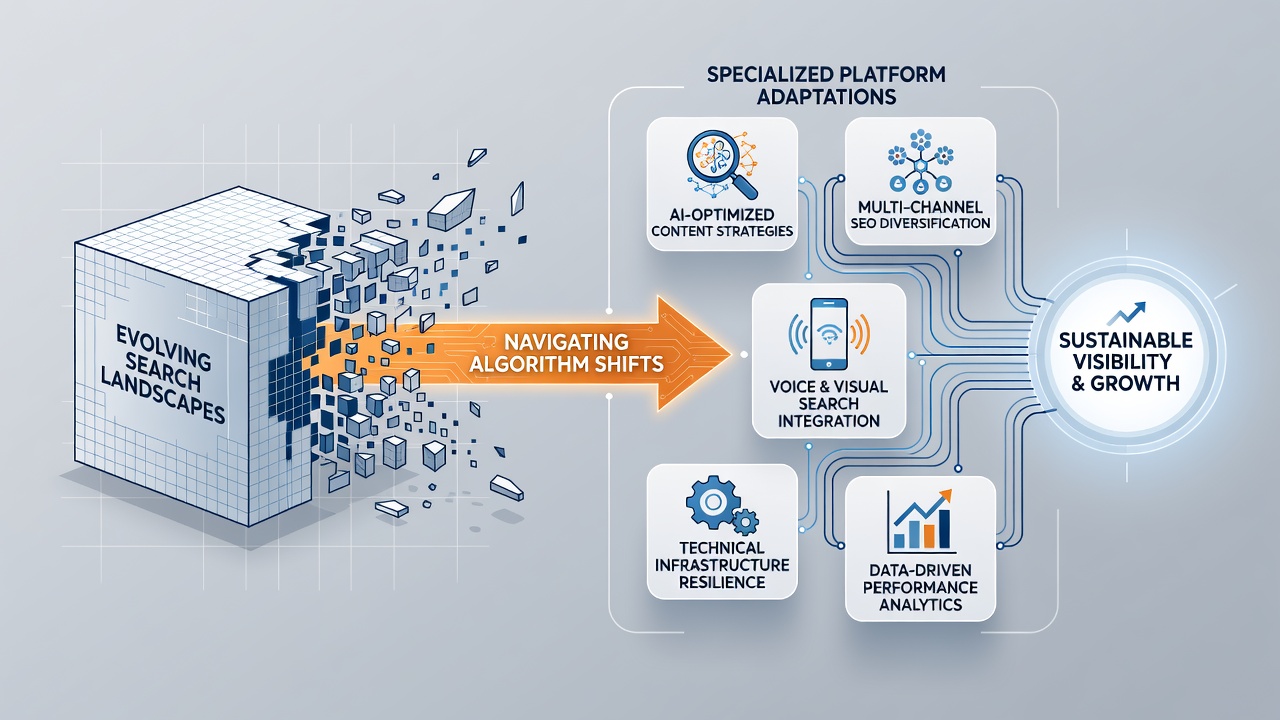
Specialists working with regional search engines in Australia and Asia have introduced localized schema enhancements that better match user intent variations across languages and cultural contexts; data shows these modifications improve click-through rates when combined with region-specific performance optimizations. In September 2026 additional documentation from regulatory bodies in multiple jurisdictions outlined expectations for clearer disclosure of automated decision systems, prompting further refinements in how platforms communicate ranking factors to users and developers.
Technical Implementation Patterns Observed in Practice
Teams frequently combine server-side rendering adjustments with client-side enhancements to meet evolving performance thresholds, and case examples from enterprise sites demonstrate that phased rollouts reduce the risk of sudden traffic drops during major updates. Research indicates that monitoring tools capable of tracking real-time indexing status allow quicker identification of pages affected by new quality signals, enabling focused remediation efforts rather than broad site overhauls.
Those who manage multi-platform presences often maintain separate adaptation roadmaps for general web crawlers versus specialized indexes used by shopping or local search features; this separation helps preserve performance across environments that apply distinct evaluation criteria. External resources such as the European Commission digital markets documentation provide frameworks that guide these decisions, while reports from the US Federal Trade Commission highlight transparency measures that influence how algorithm changes are communicated industry-wide.
Long-Term Strategies for Sustained Visibility
Continuous monitoring combined with flexible infrastructure supports ongoing alignment with search engine priorities, and organizations that integrate feedback loops from analytics data into their development cycles demonstrate greater resilience during subsequent updates. Evidence suggests that cross-functional collaboration between technical and content teams produces more coherent adaptations than isolated adjustments in single departments.
Conclusion
Algorithm shifts continue to reshape search visibility requirements, and the platforms that succeed implement specialized adaptations grounded in technical precision and data-informed planning; ongoing research from academic and regulatory sources supplies the context needed to anticipate future modifications and maintain consistent performance across evolving landscapes.